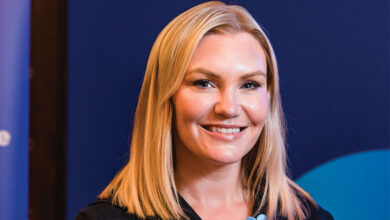
Minister Robbie Butler MLA: ‘Hope not fear’
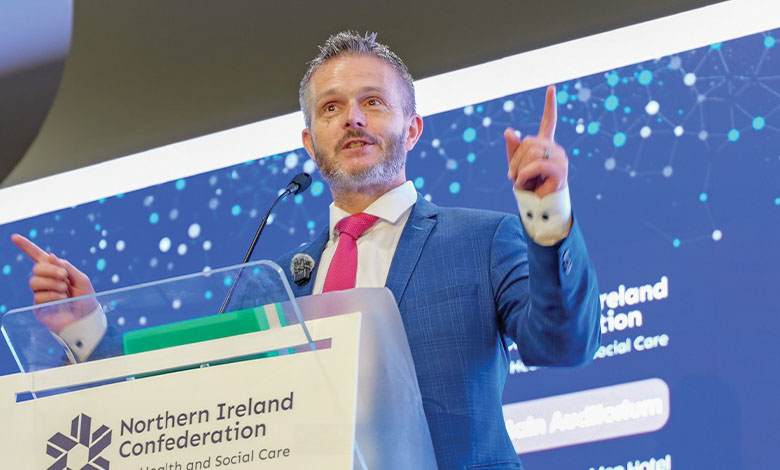
Writing in agendaNi, Minister of Health Robbie Butler MLA reflects on his first few months in office and his objectives for the rest of his term.
When I became Health Minister, I knew I was taking on one of the most challenging and important roles in public life, but it was one I approached with hope, not fear.
Health touches all of us. Every family in Northern Ireland depends on our health and social care system at some point in their lives, and mine has been no exception. I have waited in the emergency department for lengthy periods of time. I have sat beside family members receiving devastating news, and I have journeyed with loved ones navigating a lifelong diagnosis.
From my first day in office, I have been clear that my priority is not simply to manage the health service as it exists today. I want to help build a health and social care system that is sustainable, responsive, and fit for the future. That means tackling immediate pressures while also driving the long-term reforms needed to secure better outcomes for future generations.
Central to my thinking is the belief that health is a social contract. Good health is not created solely in hospitals, GP surgeries, or health centres. It is shaped by the homes we live in, the jobs we do, the schools our children attend, the opportunities available in our communities, and the support networks around us.
Health services are a vital part of that picture, but they are only one part. Government has a role. Healthcare professionals have a role. Community organisations have a role. Families have a role. And all of us, as individuals, have a role. I believe healthcare should be delivered with people, rather than done to them, and we must never lose sight of the person at the centre of care.
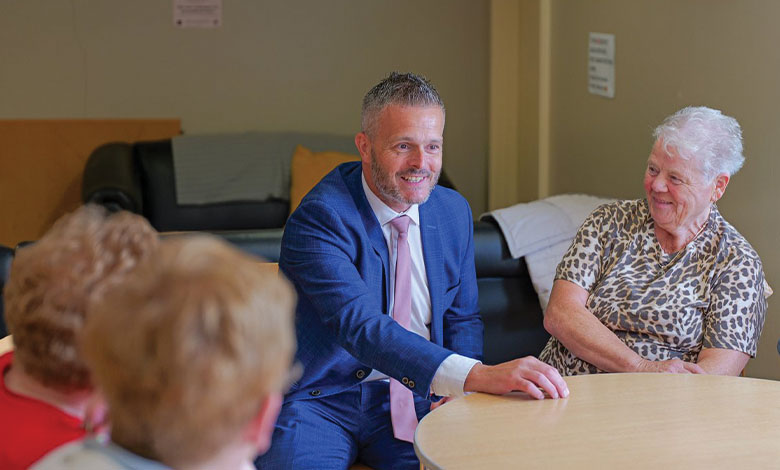
Over recent months, I have had the privilege of meeting many service users and their families. Their stories have reinforced the need for change and inspired me in equal measure. I have spoken to people who have waited too long for treatment, but I have also met people whose lives have been transformed by the dedication and expertise of our health and social care workforce.
Whether visiting hospitals, community facilities, care settings, or frontline services, I have seen extraordinary dedication and professionalism. I have met nurses, midwives, doctors, allied health professionals, social workers, domestic service staff, porters, ancillary and support staff, volunteers, and countless others whose contribution is essential to the functioning of our health service.
Alongside workforce engagement, I am focused on driving the Health and Social Care Reset agenda, which provides the framework for stabilising services, driving reform, and improving delivery across the system. It recognises the reality that our health service cannot continue operating in the same way if it is to meet future demand.
It is already delivering results. More than 80,000 additional patients received treatment, assessment, or diagnostic tests in just six months (April-September 2026) against an annual target of 70,000. Waiting lists across priority procedures have reduced by 45 per cent, and the endoscopy backlog has fallen by approximately 28,500 patients since June 2022. These achievements demonstrate that meaningful progress is possible when we combine investment with reform.
I have also announced significant service improvements since taking office. One particularly important development has been the success of Northern Ireland’s regional thrombectomy service, which became the first service in the UK to operate on a fully 24-hour, seven-day basis. This represents a major step forward in stroke care and will help ensure more patients have access to life-saving treatment regardless of when they need it.
I have also welcomed the achievements of the Lagan Valley Regional Day Procedure Centre, which has completed almost 26,000 procedures since opening and became the first centre of its kind on the island of Ireland to achieve Getting It Right First Time (GIRFT) accreditation. This recognition reflects the centre’s commitment to delivering high-quality, efficient care through evidence-based clinical practice. It is an excellent example of how innovation, modern service design, and a focus on continuous improvement can increase capacity while maintaining the highest standards of patient care.
At the same time, over £300 million in efficiencies and savings have been delivered across the system, helping us maximise resources while continuing to protect frontline services.
I believe some of the most important reforms we can make involve moving care closer to people’s homes and communities. Too often, people find themselves relying on hospital services because support has not been available earlier or closer to where they live. The Neighbourhood Model aims to change that. It is based on prevention, early intervention, integration, and partnership. Through the creation of 17 integrated neighbourhood teams, professionals from across health, social care, local government, and the community sector will work together to identify need earlier and provide more personalised support.
We know that acting earlier works. We know that investing in prevention works. It is why my department is committed to making that shift in both health and social care towards greater service provision in communities, promoting and enabling service provision through effective partnership and joined up working.
A key example of this is Together for Families, which I was proud to launch alongside partners in September 2026. It brings together the National Lottery Community Fund, my department, Health and Social Care (HSC) trusts and the voluntary and community sector to make it easier for families to access practical, coordinated support earlier, and closer to home.
As a foster parent for almost two decades, I know the difference that timely support, strong relationships, and early intervention can make in a child’s life, and the importance of helping families overcome challenges before they reach crisis point.
At a time when children’s services are under increasing pressure, this is a huge opportunity to improve the life chances of children and families across Northern Ireland, with the key aim of keeping families safely together, rather than apart.
During my visits across the health and social care system, I have seen first-hand the dedication and professionalism of our emergency service personnel. As a former firefighter, I know the demands that emergency service work places on individuals, their families, and their colleagues. That experience gives me an even greater appreciation of the commitment shown every day by the men and women of the Northern Ireland Fire and Rescue Service. I was therefore delighted to announce investment in a modernised vehicle fleet that will help firefighters respond more effectively to incidents and continue protecting communities across Northern Ireland. I have also had the privilege of attending the service’s Long Service Awards, where employees marking 20, 30, and 40 years of service were recognised for their outstanding commitment.
I was equally impressed during a recent visit to the Northern Ireland Ambulance Service, where I saw the innovative work being undertaken to ensure that patients receive the right care, in the right place, at the right time. The Ambulance Service’s See and Treat and Hear and Treat models are making a significant difference because they ensure many patients can be safely cared for without the need to attend an emergency department. In 2025/26, more than 63,000 incidents were resolved through these approaches, demonstrating how innovation can improve patient experience while helping our hospitals focus on those with the most urgent needs.
These visits matter because good policymaking begins with listening. The best solutions are often found closest to the frontline.
I am under no illusion about the scale of the challenges that remain. Waiting times are still too long. Demand continues to grow. Financial pressures are significant. However, I am encouraged by the progress already being made and by the commitment I see across the entire system from our medical teams to our ancillary staff, from our allied health professionals to our domestic service colleagues, from the Northern Ireland Health Collective and beyond; we are all part of a combined effort.
This is about all of us. It is about our health and I want every person in Northern Ireland to have confidence that when they need care, they will receive it safely, promptly, and with dignity.