Global innovation in victim care and support
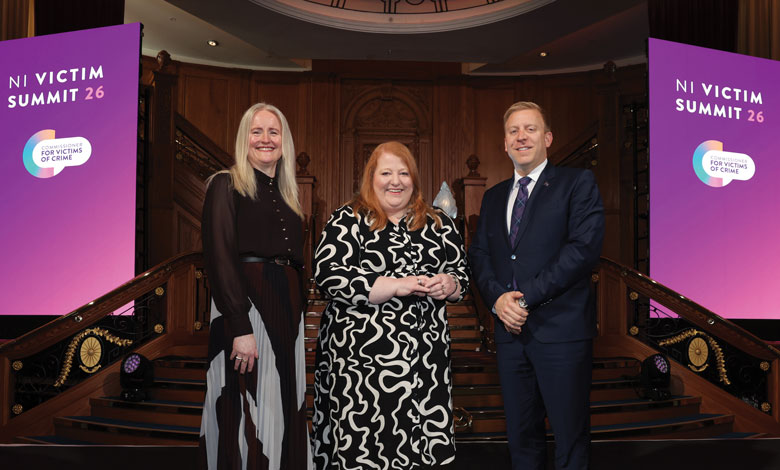
Some key highlights and findings from the inaugural Northern Ireland Victim Summit hosted by the Commissioner for Victims of Crime.
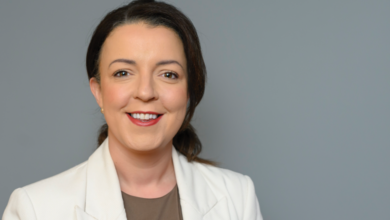
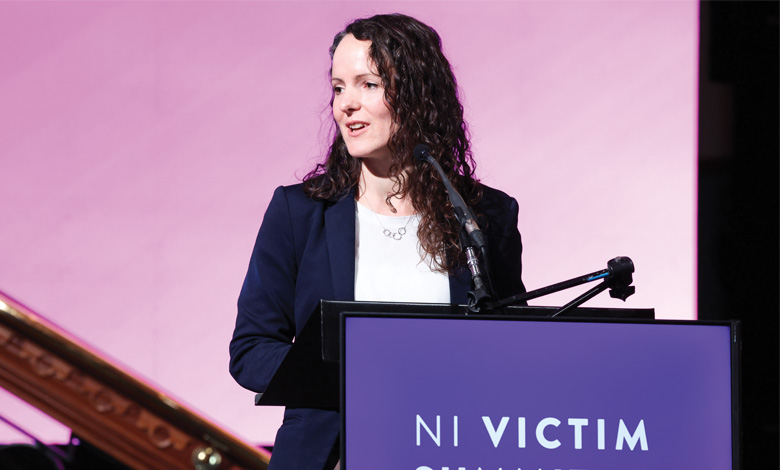
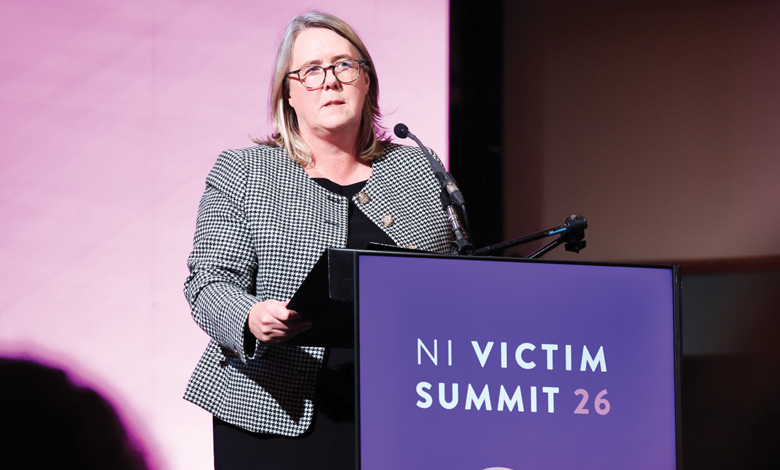
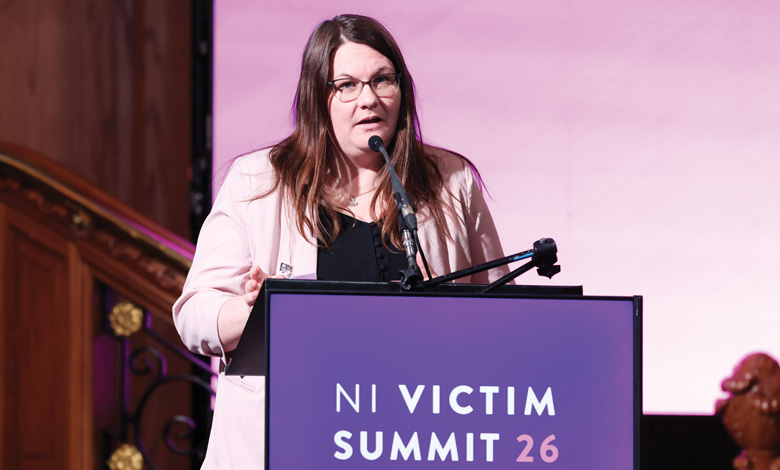
The Commissioner Designate for Victims of Crime Geraldine Hanna hosted the inaugural Northern Ireland Victim Summit on 27 March 2026.
Titanic Belfast provided the setting for the one-day conference, showcasing best practice and innovation in victim care and support from around the world. 130 delegates from across the public and voluntary sectors, the legal profession and the judiciary, gathered to learn about innovative solutions to some of justice’s most intractable challenges.
The Commissioner Designate set the tone for the day, encouraging delegates to take part in “learning, sharing and reimagining what more we can do together to ensure that the needs of victims are at the centre of everything we do”.
The summit reflected on five core themes: lived experience in policymaking, victim-centred justice, child-centred justice, domestic abuse reform, and strengthening victims’ rights in the parole process. Under each theme, delegates heard powerful testimony from victims of crime whose experience of the justice system caused further harm, before learning about problem-solving approaches to improve victim experience.
Lived experience in policymaking
The first showcase was the Survivor Council model, which integrates the lived experience of victims and survivors into policy making.
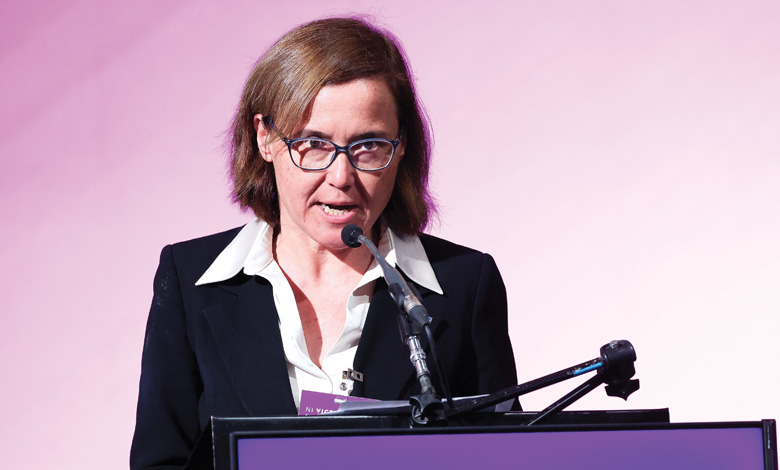
Mié Kohiyama, co-founder of Brave Movement France, spoke of her personal experience as a sexual abuse survivor and the importance for survivors to be given a political voice and be part of the solution: “Survivors do not just want to be heard, they want to lead.”
For Kohiyama, while acknowledging the invaluable role that support agencies play in victim advocacy, victims must be at the table in terms of legislative and policy development: “It is better to talk to God than his saints.”
Kohiyama’s words coincide with efforts in Northern Ireland to establish a local Survivor Council. The group hopes to build upon experience from elsewhere to integrate survivor voices into discourse and, critically, action on child sexual abuse, by placing survivor expertise at the heart of policymaking.
Victim-centred justice
Mathieu Lévesque, of the National Assembly of Québec, shared Quebec’s experience of implementing a wraparound, multidisciplinary needs assessment and advocacy service for victims of crime. The CAVAC model is centred on building trust and creating a ‘security bubble’ around victims to keep them engaged and mitigate further harm from the justice process. Other elements include safety-driven spatial design of courts, therapy dogs in court settings, and state financial support for victims of abuse to relocate to safety.
The presentation gave Northern Ireland justice agencies in the room plenty to ponder, as they work to develop an integrated victim and witness needs assessment service in line with CJINI recommendations.
Child-centred justice
Anna O’Reilly from Children First reflected on implementing the Barnahus, or ‘Children’s House’, model in Scotland. Named ‘Bairns Hoose’, it provides a safe, holistic support and trauma recovery journey for child victims of sexual assault. Anna shared testimony from a teenage survivor, revealing insights into child victims’ needs: “Make sure we know you are coming, and we know who you are. We need your support from the moment we have told someone what has happened…. before everything becomes out of our hands.”
O’Reilly provided invaluable advice for officials considering how best to introduce Barnahus in Northern Ireland. Advocating a “think slow, act fast” philosophy, she recommended incorporating strong central leadership, development of a national plan with high aspiration but a phased approach to roll-out, underpinned by effective data collection and evaluation.
Domestic abuse reform
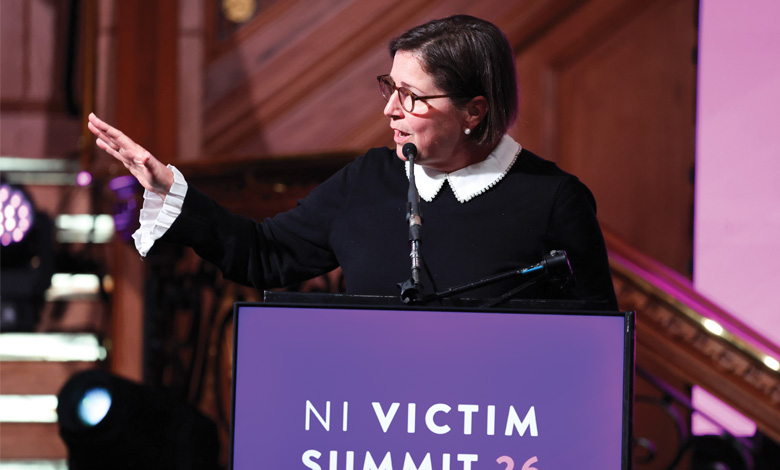
The Summit’s focus turned to the family court, with Domestic Abuse Commissioner for England and Wales Nicole Jacobs and the Ministry of Justice’s Jacqui Frisby discussing reform to private family court proceedings. The Pathfinder pilot, introduced in England and Wales to overcome documented failings to protect children and domestic abuse victims from harm, centres proceedings on the child’s voice and wishes.
Research undertaken by Queen’s University has revealed similar issues within local family courts, and work is now underway to convene a task and finish group to scope a potential pilot for Northern Ireland. Chaired by the Commissioner Designate, the group will include members from departments of Justice, Health, Finance, as well as the Courts and Tribunal Service, the legal profession, victim and child advocates, and health trusts.
Strengthening victims’ rights in the parole process
The day’s final theme saw the Parole Board of Canada’s Shannon Dorken outline the federal approach to conditional release. Under Canadian law, victims have a right to information on the offender who harmed them, and to participation and protection in relation to conditional release decision-making.
The Canadian approach will undoubtedly enrich discourse as the DOJ consults on measures to improve Victim Engagement in the Parole Process.
Other highlights
The Summit showcased homegrown innovation in a two-way knowledge exchange between Northern Ireland and visiting delegates. Justice Minister Naomi Long MLA highlighted a range of reforms including remote evidence centres, which enable victims to give evidence remotely, and SOLAs who provide legal advice to victims of sexual offences.
Lady Chief Justice Siobhán Keegan outlined her reform programme to improve transparency and understanding of the family courts as part of broader work to improve victims’ experience in court.
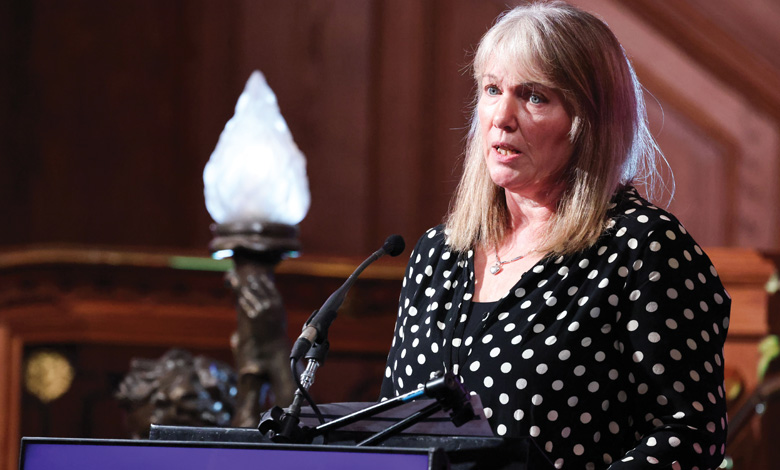
The most outstanding contributions came from victims of crime, who courageously shared their testimony to inspire change and help make the system better for future victims.
In closing, the Commissioner Designate called those in the room to action – resources notwithstanding, the absence of perfection cannot be an excuse for absence of progress.
T: 02890 526607
W: www.cvocni.org