The future of biomethane
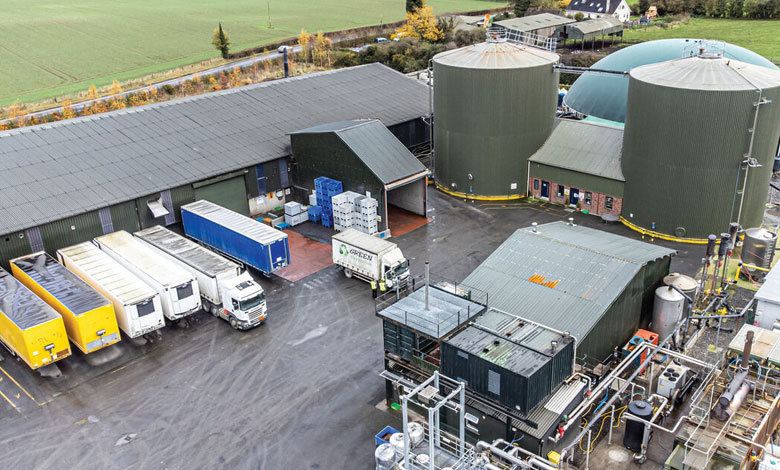
A consultation has launched seeking views on the development of a sustainable biomethane sector in Northern Ireland which can harness its economic and environmental benefits.
The Biomethane Strategy and Policy Framework aims to set out a strategy to maximise Northern Ireland’s suitability for biomethane production, something which can deliver dual benefits of speeding up decarbonisation and repurposing agricultural waste.
Due to its large agricultural sector, Northern Ireland has strong potential to draw on its diverse feedstocks such as livestock slurry, grass, and silage to produce biogas through anaerobic digestion, and subsequently biomethane, at a local level.
This can also lower greenhouse gas emissions and pollution by reducing the region’s nutrient surpluses which contribute to eutrophication of rivers, lakes, and loughs from animal manure and chemical fertilisers.
Another benefit of biomethane is that it can be used in existing gas pipeline infrastructure and appliances, including vehicles with natural gas burning engines.
A key challenge with the transition to biomethane identified in the consultation document is the cost burden on producers in connecting to the network.
Currently, network connection operates on a “producer pays” system where the first producer is required to fund the full cost of any network reinforcements triggered by their connection.
The Department for the Economy outlines in the consultation that this can often result in an unfair burden on early movers as subsequent biomethane producers can connect to the reinforced network without contributing to initial costs.
The preferred policy position to address this is to spread the cost of essential network reinforcement by socialising the connections across multiple producers and consumers, with a cap on how much consumers can be charged.
Another central problem that feedback is being sought on relates to current permissible oxygen levels in the Northern Ireland gas network.
The higher level of oxygen found in biomethane compared to natural gas poses a barrier to network injection.
The framework recommends increasing the permissible oxygen limit on the transmission system from 0.2 per cent to 0.5 per cent while reducing it from 1 per cent to 0.5 per cent on the distribution system to harmonise alignment on both tiers.
In the Republic, the National Biomethane Strategy has been in place since May 2024, and sets out a target of 5.7 TWh of indigenous biomethane production by 2030.
The consultation opened on 20 October 2026 and will run until 15 December 2026.
Submit a consultation
proposal by scanning
the QR code: