Evolving to meet consumer needs
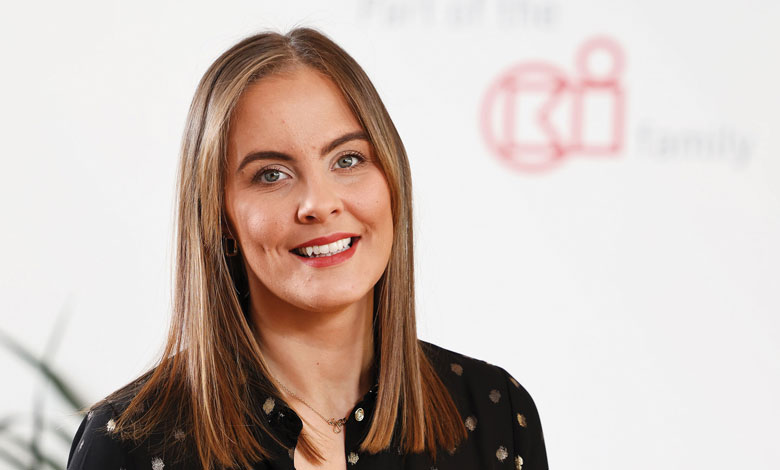
Rebecca Dalzell, Communications Manager at Phoenix Energy, reflects on how changing consumer expectations, the energy transition, and new technology are shaping the way Phoenix listens, communicates, and plans for the future.
The energy sector is changing quickly. Net zero, decarbonisation, renewable gases, future metering, and energy regulatory frameworks are increasingly part of our everyday language. For those in energy, it is easy to become comfortable with that terminology. For customers, understandably, it can feel different. That presents an interesting challenge for communicators.
Our job is not to tell people that change is coming, but to help consumers understand what change means for them, make unfamiliar concepts more familiar, and provide clarity and reassurance as the energy system evolves.
At Phoenix Energy, that thinking is shaping how we approach everything from offering inclusive customer service, our plans for the next gas price control period, to the introduction of new metering technology.
The common thread is simple: as the energy system evolves, the consumer must remain at the heart of its design.
Inclusive customer service
One of the clearest examples is how our approach to customer service, and specifically how we address vulnerability needs, has evolved.
As an essential services provider, we interact with people in all circumstances. Vulnerability is not always visible and not necessarily permanent. Someone may need additional support because of a disability, health condition, or communication barrier, while another may find themselves facing circumstances making it more difficult to engage with us at a particular point in their life.
For Phoenix, developing an inclusive customer service has therefore been about embedding the right thinking across the organisation, rather than treating this as one department’s responsibility.
Our internal vulnerability working group brings together representatives from across Phoenix to review processes, identify opportunities for engagement, and ensure customer-facing teams understand and are well-equipped to respond to the needs of vulnerable consumers.
Vulnerability Champions provide another layer of support. They are customer-facing colleagues from across the business who shape our vulnerability strategy and inclusive customer service approach while providing colleagues with additional guidance when they encounter complex or sensitive situations.
Alongside that is something deliberately straightforward: signs, consider, adjust. This is the framework used in our inclusive-service training, encouraging colleagues to identify signs that somebody may need additional support, consider how our work or processes could affect that individual, and then adjust our approach where appropriate to make our service easier to access.
It is a simple approach and one that is applicable far beyond vulnerability. It is fundamentally about looking at a service from the other person’s perspective. That is increasingly important as the energy landscape itself becomes more complex. The approach ensures each consumer receives a service designed around them.
Listening as we plan for the future
The next price control period, GD29, provides an opportunity to think about what consumers will need from us in the years ahead.
For a gas network business, a price control process requires us to participate in a detailed regulatory process. The delivery of a well-evidenced plan will allow us to continue delivering for consumers and ultimately shape the service they receive from us. It is therefore important that our thinking is informed not only by what we believe consumers need, but by what consumers themselves tell us.
We therefore continue to strengthen our programme of consumer feedback and research, ensuring consumer insight meaningfully shapes our approach. Our recent research combines online surveys with independent third-party research. That includes focus groups and in-depth interviews, helping us hear directly from people with different experiences and perspectives.
Our wider planning work specifically identifies independent research as part of a repeatable engagement programme intended to inform business planning, service design, and communications.
There is an important distinction between communicating to consumers and communicating with them. We always aim to explain what we are doing but listening creates the opportunity to understand whether information makes sense outside our own organisation, our priorities reflect those of consumers, and the way we design services works for those who use them.
That same principle extends to how we engage with wider stakeholders. Our stakeholder event earlier this year gave us an important opportunity to bring regulators, the wider energy sector, consumer bodies, and charities together to share our thinking and, equally importantly, listen to their feedback. Those conversations and different perspectives all help build a fuller picture of the issues that matter to the people and organisations we work with and ultimately inform how we plan.
Making the energy transition understandable
The journey to a lower carbon future will inevitably introduce new language, technologies, and ways of doing things.
Part of our role at Phoenix over the coming years will be to help consumers become comfortable with that evolution. Terms which are familiar within the industry will increasingly enter public conversation, and we have a responsibility to explain them clearly and through the consumer lens of “what does this mean for me?”
Good communication is not about making every consumer an energy expert, nor should we make change feel more complicated than it needs to be.
In many cases, significant changes may take place behind the scenes while having little or no effect on how an individual heats their home or interacts with us, which is why we feel so passionately about the potential for a biomethane economy that produces a like-for-like replacement to natural gas that can be transported through our existing network. The communications challenge is therefore as much about reassurance and familiarity as it is about information.
Future metering is another example. Phoenix is working with industry partners to prepare a new pay-as-you-go metering solution which, among its benefits, will introduce the functionality for consumers to top up online while making the process easier for those who may be digitally excluded and prefer the retail outlet approach. Consumer engagement is being built into the programme across testing, trialling, and rollout, including consideration of consumers who require additional support.
Again, technology is only one part of the story. The real measure of success will be whether consumers understand the change, feel comfortable with it, and can see its benefits.
Bringing the customer with us
There is sometimes a temptation when talking about the future of energy to focus on the biggest transformation: the policy development, the infrastructure, the technology, or the pathway to net zero.
Those things are hugely important. But the transition will also be made up of thousands of much smaller interactions: a consumer understanding a letter; someone receiving additional support when they need it; a consumer giving honest feedback on a service; or somebody encountering a new term or technology and feeling that it has been explained clearly rather than simply presented to them.
That is where communications, customer service, regulation, and innovation increasingly overlap.
For Phoenix, evolving to meet consumer needs means listening before we communicate, designing inclusively, and recognising that the transition to a lower-carbon future is a journey we need to bring consumers with us on.
If we can make significant change feel understandable, inclusive, and, wherever possible, straightforward for the consumer, then we will have done our job well.