The future of transport

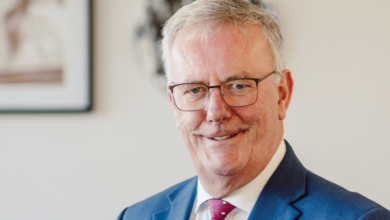
Minister for Infrastructure Liz Kimmins MLA highlights the priorities underlying the imminent Transport Strategy 2035, as well as the importance of all-island collaboration on transport.
Minister Kimmins outlines the areas of focus in the upcoming transport strategy. The Transport Strategy 2035 is currently being finalised, with a draft already completed and the final strategy expected to be published in Summer 2026.
Kimmins explains that the strategy “will set out a very clear long-term vision for the future and importantly identifies four strategic priorities that will guide how we plan, invest, and most importantly, how we deliver in terms of transport in the years ahead”.
The first of these priorities is that transport should be “resilient and sustainable”, particularly in response to the increasingly frequent extreme weather conditions affecting the region, especially flooding.
To this end, Kimmins says: “We have to respond directly to the climate challenges that we are facing, both by reducing emissions, but also by ensuring that our infrastructure can
withstand the impacts that we are already experiencing.”

There are several actions being taken in this area, including the progression of a new road maintenance strategy which, Kimmins says, involves “taking a more targeted, data-led approach to managing our road network while also embedding climate considerations into design and delivery”.
This is in addition to the work being done under the Climate Change Act to support the transition towards a decarbonised transport sector.
Kimmins outlines that the department’s “focus is on cleaner vehicles and fuels”, which involves “work across the 32 counties on hydrogen infrastructure and future-focused infrastructure planning”.
The second strategic priority guiding the strategy is that transport “supports connected and inclusive communities”.
Kimmins explains that this means that transport “must enable people to be able to access their jobs, education, healthcare, and essential services, regardless of where they live or their circumstances”.
To achieve this objective, Kimmins says that “improving our rural transport systems remains an absolute priority”, noting the work being done in community transport, which received an additional £1 million in funding in 2025.
The minister also highlights the “transformative joint investment for public transport” in the Belfast-Dublin rail corridor, including the new fleet of more accessible Enterprise trains and the introduction of the early service, which has resulted in significant passenger growth.
Kimmins says that the third strategic priority is to “deliver a transport system that is safe and supports healthier lives”, noting that “safety remains fundamental, every death or serious injury on our road is one too many”.
This issue is being addressed through the Road Safety Strategy, which Kimmins says is being developed to “significantly reduce fatalities and serious injuries as a result of road collisions through targeted interventions, enforcement, and through a strong partnership working across other agencies and other departments within the Executive, including safer travel to school for all children”.
Kimmins says “we are enhancing transport safety through strong cooperation across the island”, referencing the meeting of the North-South Ministerial Council on transport in May 2026, which focused on areas of collaboration, particularly on road safety.
This priority also relates to the role that transport and active travel can play in improving air quality, as well as health and wellbeing. To facilitate this, Kimmins says the Department “is working with its partners across the island to deliver more sustainable, resilient transport options”.
The final strategic priority of the strategy, Kimmins says, “is in relation to ensuring that transport supports green economic growth as a modern, efficient, transport system is essential to productivity, investment, and competitiveness”.
To this end, the minister introduced a new Harbours Bill in the Assembly in June 2026 “to modernise the legislative and governance framework for our trust ports”.
Kimmins adds: “We are also progressing the outcomes of the All-Island Strategic Rail Review, which sets out a very long-term but very ambitious vision for improved connectivity, faster journeys, some of which we have already been working on, and a more sustainable rail network.”
Alongside this, Kimmins says the Department is “supporting innovation through digitalisation and more efficient transport systems, ensuring that growth is aligned with our environmental objectives”.
Ultimately, Kimmins believes that “the four interconnected priorities provide a clear and very coherent direction for transport in the North.”
Concluding, Kimmins highlights the importance of all-island cooperation on transport, and says: “Because our rail lines and our roads do not stop at the borders, they continue on, we are all experiencing similar challenges. So, it is important that when we are working on all of these projects, we are aligned and working closely together.
“I think when we look at the shared island funding and what we have been able to achieve with that, working with our partners in the South, we can see what we can do, and I am keen to continue in that vein.
“It will require that continued and sustained collaboration through both governments and in collaboration with the British Government in terms of getting the funding that we are entitled to and what we need to deliver for people here.”