‘Transformation is possible but only with a step change in homelessness prevention’

Housing Rights Chief Executive Kate McCauley makes the case for the necessary legislation and funding which takes a preventative, rather than reactionary, approach to homelessness policy.
In late-2025, the Chartered Institute of Public Finance and Accounting (CIPFA) called for a “shift towards a more preventative approach” in the reform of public services. In its report, CIPFA argued that it is essential to embed prevention “if the state is to remain financially sustainable and capable of improving outcomes in the long term”.
A shift towards prevention in public service transformation is on the agenda, and nowhere is this more important than in tackling our housing crisis. Prevention has long been recognised in homelessness policy, but only recently have resources begun to be directed meaningfully toward it. If we want to make real progress, that early commitment needs to be strengthened, protected and sustained year after year. With budgets under pressure and demand rising, we cannot afford to wait.
Investing in prevention is good policy. It saves public money, reduces pressure on frontline crisis services and leads to far better outcomes for the people who need support. There is an opportunity to showcase homelessness prevention as evidence of the type of ‘transformation’ the Northern Ireland Executive seeks to promote.
Preventing homelessness since 1964
For over 60 years, Housing Rights’ work has been rooted in preventing homelessness. Our independent advice and advocacy are shaped by the people who come to us for help – people navigating housing insecurity across all tenures, including an increasing number of private renters facing affordability pressures, poor conditions or the risk of eviction.
Their experience guides our understanding of what works, what is changing and where the system is failing.
We know prevention works, we see it every day in the outcomes we track and measure, and in the public savings our interventions generate (more on this in the autumn when we launch new research which sets these savings out).
But our frontline experience also shows that preventing homelessness has become harder.
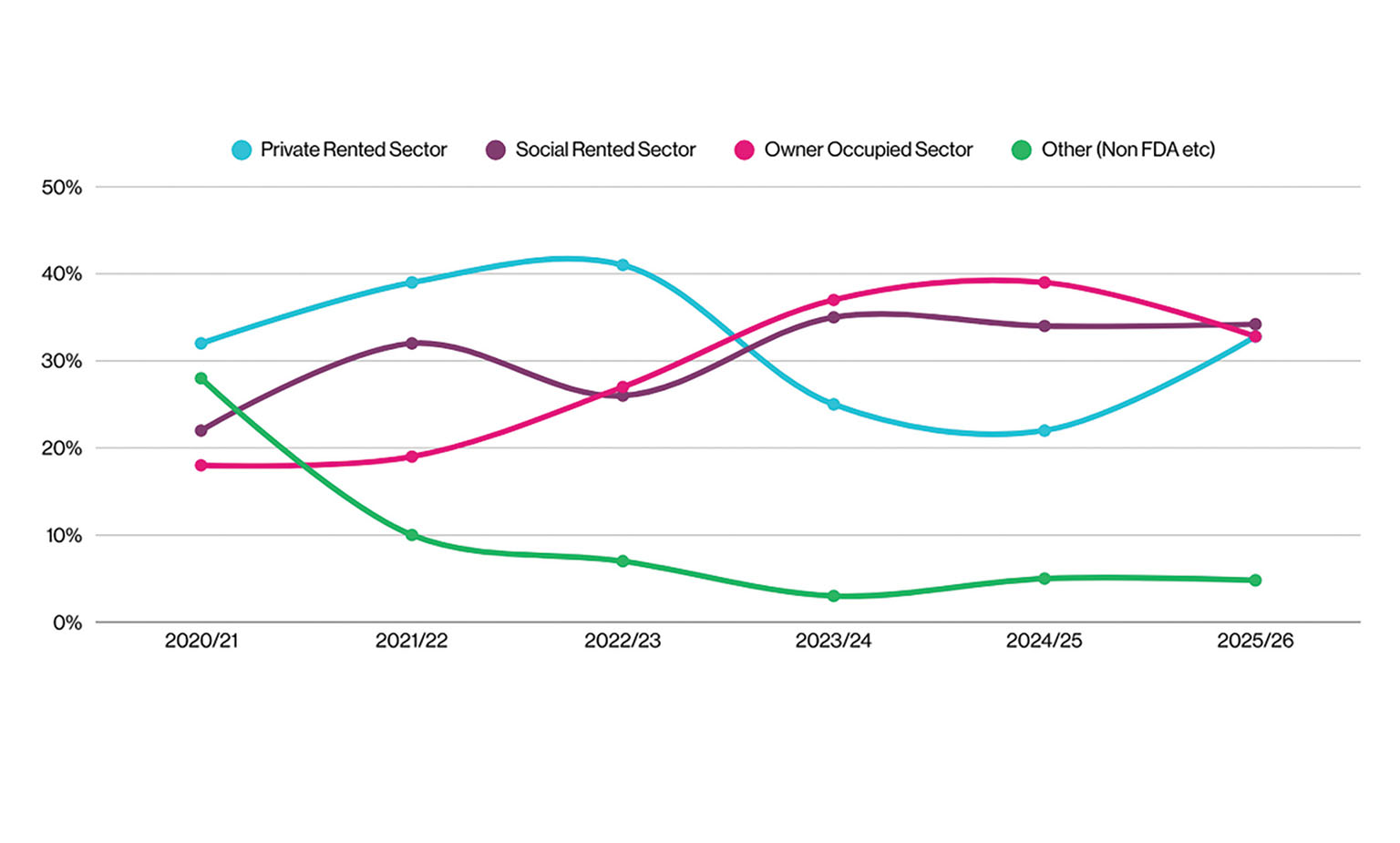
We see issues around supply, affordability, and the growing vulnerability many households experience, especially in the private rented sector. In response, we are working hard to make new use of data to shape agile services, and in 2026, we are beginning to see some green shoots of recovery – but making things better for people is harder than it should be.
For too long, the public sector response has been constrained by the tension between what we know is good policy and what the law says we must do; the former champions investment in prevention while the latter requires action only when homelessness is imminent.
Progress is possible: with investment and legislation
To make progress, Northern Ireland needs a legislative framework that supports early action. We are now the only part of the UK without a legal duty on public bodies to prevent homelessness.
Legislation alone will not fix the problem, but it is a vital foundation ensuring that resources, services, and accountability are aligned with prevention rather than only with crisis response. We must also think through how the legislation will be implemented because it is only when we have the right systems, accountability and decision making in place that change will become real.
It is very welcome that the Northern Ireland Assembly Public Accounts Committee has called for proposals to support a legal prevention duty to be brought forward to the Minister. In other parts of the UK, similar proposals have been developed in partnership with a wide range of stakeholders.
This is the best practice that we must replicate to ensure we do it well. Transformation will not come from legislation alone. It depends on genuine partnership working. Effective prevention requires public services to work together with community and voluntary sector organisations, which are often closest to the people most at risk. Charities bring something essential: long-term commitment to outcomes, the flexibility to respond quickly and trusted relationships with communities.
We have found that the most effective version of this work is when the people who need the service are also involved in its design and delivery.
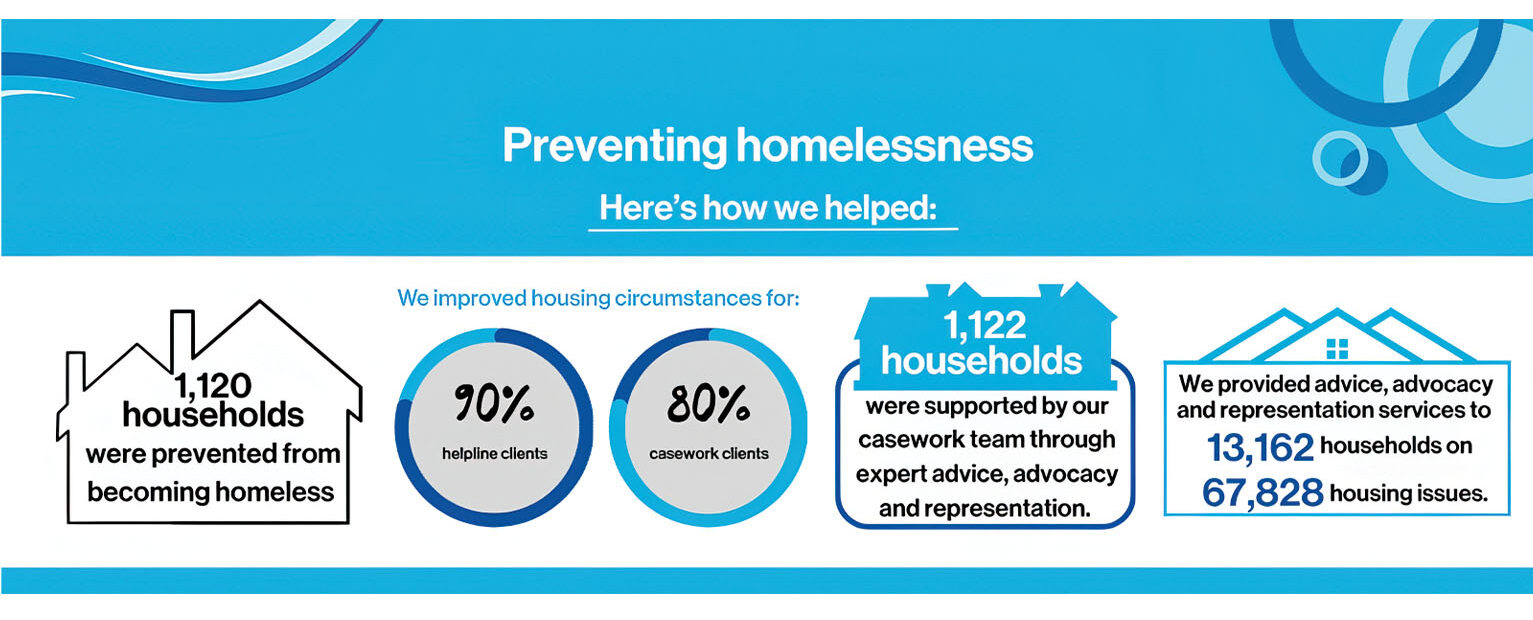
Our work with women with experience of domestic abuse and homelessness, for example, has helped us reshape models of support so they are easier to access and built around what people say they need.
Co-locating services also allows for more ‘upstream’ prevention. For 20 years, our ‘Housing Advice in Prisons’ service, delivered in partnership with the Northern Ireland Housing Executive and Northern Ireland Prisons Service, has helped prevent homelessness for people leaving custody. It is a service that the Northern Ireland Audit Office recently cited as an example of best practice in cross-departmental working.
More recently, a new pilot service co-located in jobs and benefits offices will reach people with housing problems at an earlier stage. We know that in doing so, we are helping people before problems spiral and that we are contributing to several strategic priorities across multiple public service areas.
These examples show that prevention is achievable when the right relationships, systems and commitments are in place. The charity sector is playing its part, bringing agility, innovation and valuable insights.
Focus on the future
What we need now is sustained investment, enabling legislation and a shared determination across sectors to deliver transformation so that we strengthen safety nets which prevent homelessness.
We know that our public sector and political leaders face difficult choices and that preventing homelessness is hard work, but it is the hard work which will make the difference. Let us keep going.
T: 028 9024 5640
W: www.housingrights.org.uk