Why Fleadh Cheoil na hÉireann worked for Belfast
For 75 years, Comhaltas has worked to preserve and promote Irish traditional music, song, dance, and language. The organisation is now in 25 countries with close on 500 branches. But Comhaltas is about much more than culture alone.
At its heart, Comhaltas is about people. It is about creating spaces and places where people feel welcome – where friendships are formed, where people learn from others – regardless of age. It is about passing on not only music and song, but a sense of belonging.
Comhaltas believes that no matter who we are or where we come from, we all share the same hopes. We want to belong. We want to contribute to our communities. We want to be part of something bigger than ourselves. Music as an international language can bring people together and provide a backdrop for inclusion and belonging, community and wellbeing. That is what the Fleadh offered to the people of Belfast and Ulster.
Comhaltas and Belfast City Council had a shared vision of what Fleadh Cheoil na hÉireann would look like in Belfast. Belfast is a diverse city of many cultures, and this diversity and multi-culturalism would have to be represented in a successful Fleadh.
The city also has a long history of division and the Fleadh would have to attempt to bridge this historical divide; show that music, song, dance, and the Irish language is for all the people, no matter their creed or persuasion.
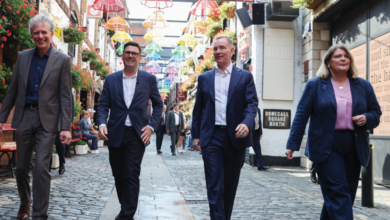
The Fleadh was a success beyond compare in Belfast. 1.67 million people enjoyed eight days of music, song, dance, camaraderie, friendship, and fun. Many of those people had never heard of a Fleadh, let alone attend one. But that did not stop visitors to the city centre from making the most of the friendly atmosphere, the pedestrianised streets, the gig rig, the busking, the street sessions, and the freedom that the Fleadh brings to a community.
One unionist political representative stated that the official opening ceremony of the Fleadh was the first time that they every felt they lived in a united Belfast. The Fleadh is not political, it is about community, and this statement by the political representative showed that it is possible to enjoy a community event and be tolerant of all cultures without fear or risk of having your own culture diluted.
The people from across Belfast enjoyed the Fleadh immensely. While some people of West Belfast looked forward to embracing the whole Fleadh, many people did not think that it was relevant to them. That was until the Fleadh arrived. One elderly man from the Shankill Road visited the opening Sunday and stated afterwards that he had finally felt that his life was full and complete when he listened to the speeches and the music.
The ability of culture to transcend politics was clearly visible during the week of the Fleadh. The connection of people through music, singing, and dancing, the personal friendships that were started and renewed, and the mutual appreciation of music proved beyond any doubt that this shared openness and respect has tapped into emotions that can bypass ideological divides.
For a city that suffered for decades with the sound of bombs and guns, the sound of music, singing, and dancing now prevails.
“A momentous occasion, a milestone event.”
No matter what way we look at the Fleadh in Belfast, we can see that the city has hosted a wonderful week of celebration and togetherness. From fear to friendship, and oppression to openness, the Fleadh has ensured that music can be the language that brings people together and the culture of all will be the beneficiary.
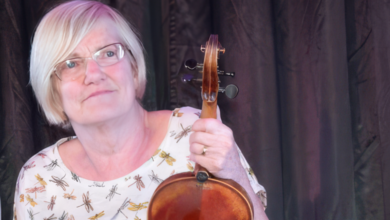
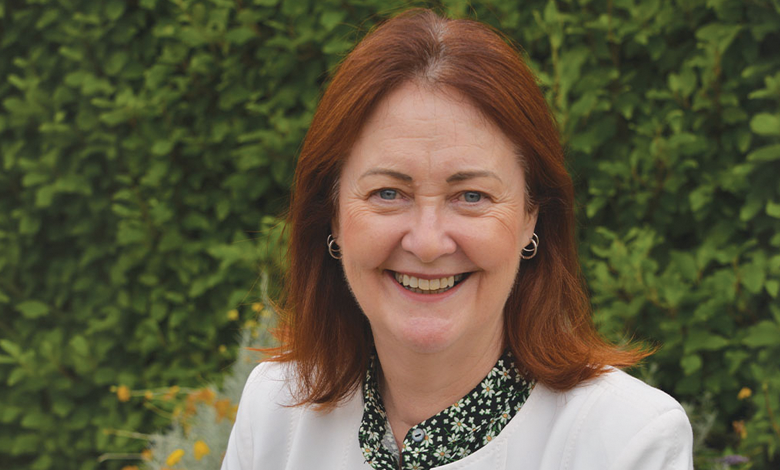
Attracta Ní Bhrádaigh is President of Comhaltas, the body which organises Fleadh Cheoil na hÉireann.