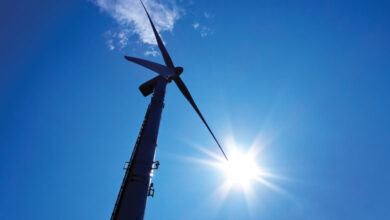
Pragmatic approach essential to ensure security of energy supply
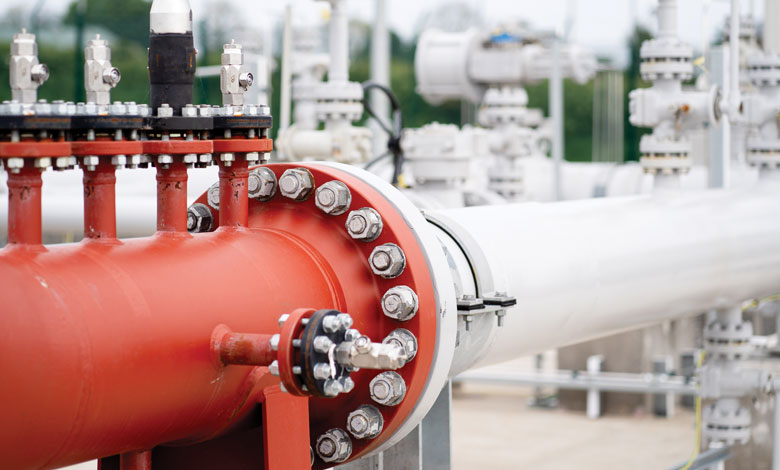
Despite ambitious emission reduction targets, reliance on gas fired power generation in Northern Ireland continues to increase.
Further investment in gas infrastructure is therefore likely to be required to maintain security of supply, even with extensive further investment in renewable generating capacity.
That is according to Mutual Energy, which owns and operates critically important electricity and gas infrastructure on behalf of Northern Ireland energy consumers, including the Moyle electricity interconnector and the Scotland to Northern Ireland gas transmission pipeline (SNIP). These are vital energy links between Northern Ireland and Great Britain, essential to maintaining the security of electricity supplies in Northern Ireland when output from renewable generation is low.
What happens when the wind does not blow and the sun does not shine?
The term Dunkelflaute is used in the industry to describe periods when little or no energy can be generated from wind or solar power. This can occur when high meteorological pressure leads to low wind speeds and heavy cloud cover; conditions like those seen locally for periods in October 2025, for example, where significant reduction in renewable output for several days resulted in 95 per cent of Northern Ireland’s electricity generation being met via Mutual Energy’s assets.
“With the closure of coal fired generation at Kilroot there is a growing reliance on gas-fired generation and electricity imports to ‘keep the lights on’ in Northern Ireland, even as the energy transition progresses,” explains Paddy Larkin, CEO of Mutual Energy.
“While annual consumption of natural gas is expected to decline moving towards 2050, in the short to mid term Northern Ireland is likely to almost exclusively rely upon it to ensure security of supply. Given Northern Ireland’s current energy policy, this seems unlikely to change significantly over the next 10 years. This means peak demand for gas transportation infrastructure continues to grow, even if ongoing decarbonisation initiatives result in a reduction in annual gas demand.”
Need for long-term storage solutions
As Larkin explains, improving energy storage capacity will also be essential, particularly in the context of increased electrification. “Increasing the electrification of energy demand without installing sufficient energy storage capacity or identifying an alternative decarbonised fuel source for dispatchable generation will result in increasing reliance on our natural gas infrastructure to maintain robust security of supply. This is regardless of increases in installed renewable capacity.”
As well as maintaining robust bulk gas and electricity supplies to Northern Ireland, Mutual Energy is also strongly committed to supporting decarbonisation, seeking to decrease the cost to consumers of investing in key enabling infrastructure such as offshore grids, renewable gas networks, and long-duration energy storage.

“Achieving net zero will require the radical transformation of the energy sector over the next 30 years,” Larkin observes. “Efficient, carefully considered investment in strategic energy infrastructure is necessary to maximise the integration of renewable energy production in a cost-effective way.”
Pragmatism over ideology
Larkin also suggests there are benefits in adopting a pragmatic perspective when considering options to deliver decarbonisation and cautions policymakers not to become stuck in ideological ruts.
“Sometimes the cost of efficiently integrating renewable electricity is not fully considered in our thinking on decarbonisation and we resort to the easy answer of building more renewable generation, while increasing demand to manage dispatch down. This approach however does not address the fundamental problem, how to match intermittent renewable electricity supply with customer demand. Failure to adequately address this issue will mean we will continue to develop two electricity systems to maintain security of supply, a renewable based system and one that continues to rely on dispatchable gas generation.
“This approach however is not consistent with our net zero ambitions, and is also inefficient, increasing costs for consumers. It is therefore unlikely to be sustainable in the long term. We therefore need to look carefully at our options.
“We need to take an honest look at what energy storage solutions are currently available to us and plan accordingly. We also need to be open to considering alternative approaches to decarbonisation that can complement electrification.”
Biomethane opportunity
Biomethane could also prove an important part of the solution on decarbonisation, as Larkin explains.
“There is the opportunity to develop industrial-scale indigenous biomethane production on the island of Ireland. This has two major benefits. It provides an alternative means to decarbonise heat, supplementing electrification; reducing future winter peak day electricity demand and making it easier to maintain robust security of supply. It also reduces gas imports, decreasing peak interconnector flows, allowing us to extract more utility from our existing gas infrastructure.”
Looking ahead, Larkin believes Mutual Energy is ideally placed to promote an objective debate about how cost-effective security of supply can be maintained through the energy transition.
“Our unique position as a mutual organisation with no shareholders means we have no vested commercial interest in any particular decarbonisation pathway. This allows us to focus solely on identifying solutions that we believe are in the long-term interests of Northern Irish energy consumers.”
Mutual Energy occupies a unique position within the energy sector. It is a fully mutualised company with a corporate focus to promote the long-term interests of Northern Ireland energy consumers.
More information on the company and its activities can be found on its website www.mutual-energy.com
Mutual Energy
W: mutual-energy.com
LinkedIn: mutual-energy
X: @mutualenergy