Investment, innovation and the foundations of growth
Water and wastewater infrastructure is rarely the starting point of public debate, but it underpins many of the outcomes Northern Ireland rightly values most.
Public health depends on our infrastructure. So too does our ability to build new homes, support a growing economy, and protect and enhance the natural environment.
That is why NI Water’s focus is firmly on delivery: maintaining safe, reliable services today while investing in the infrastructure needed to meet the demands of tomorrow. Our upcoming Price Control (PC28) reflects that approach. It is grounded in evidence, operational experience and a clear eyed understanding of the scale of the challenge ahead.
Recent years demonstrate what can be achieved when investment is available. NI Water’s capital works programme is delivering tangible improvements for communities across Northern Ireland, protecting public health, unlocking development and securing better environmental outcomes.
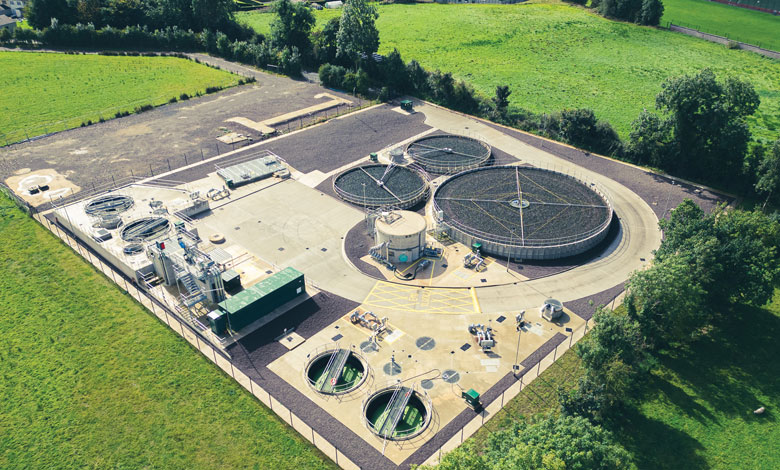
In County Tyrone, for example, a £44 million upgrade at Dungannon Wastewater Treatment Works is transforming infrastructure originally built in the 1970s. Once complete, it will be the first step in creating a robust wastewater system, which will substantially increase capacity for the area, supporting future domestic and commercial growth. This is not speculative investment; it is essential modernisation to ensure infrastructure keeps pace with demand while safeguarding the environment.
The recently completed £8 million upgrade at Ballygawley Wastewater Treatment Works shows how targeted investment can remove long standing development constraints. Capacity has increased by around a third, treatment standards now meet more stringent environmental consents, and water quality in the Ballygawley River will improve as a result. Importantly, the project made best use of existing assets, minimising capital cost and energy demand while delivering modern, resilient infrastructure.
Similar work is underway in County Down at Annsborough Wastewater Treatment Works. An essential £8 million programme is replacing parts of a system that can no longer meet current environmental standards. The upgrade will modernise treatment processes, reduce pressure on the wider network serving Annsborough and Castlewellan, and lower the risk of out of sewer flooding. A second phase to increase capacity is planned, subject to funding and planning approval.
Alongside traditional engineering solutions, NI Water continues to invest in innovation. Nature based solutions now form part of the wastewater system in several locations, including Integrated Constructed Wetlands at Stoneyford, Castle Archdale and Ballykelly. These schemes combine effective treatment with biodiversity benefits and lower energy requirements, demonstrating that environmental performance and operational efficiency can advance together.
Taken together, these projects illustrate a simple but important point: where investment is in place, NI Water can deliver modern, efficient and environmentally responsible infrastructure that meets community needs and regulatory standards.
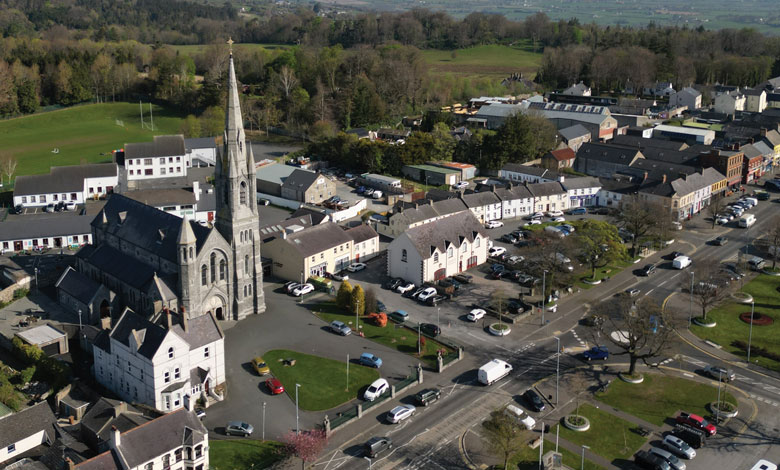
However, investment to date has not kept pace with what is required across the system as a whole. Years of historic underinvestment have left a structural deficit in wastewater capacity, and the impacts are increasingly visible. Around 100 towns and villages remain constrained, limiting growth unless additional infrastructure is delivered. NI Water has been open about the consequences of this position, including through its published paper The Story of Belfast Lough, which sets out the practical implications of constrained funding for the pace and sequencing of investment needed to protect Belfast and Belfast Lough.
It is also important to recognise that capital investment does not sit in isolation. NI Water operates within a statutory framework where responsibilities are shared. The Water and Sewerage Order places clear duties on regulators to set standards, on government to provide funding, and on NI Water to deliver services efficiently and safely. Agencies such as the Northern Ireland Environment Agency and the Drinking Water Inspectorate play essential roles in assuring outcomes.
Environmental performance depends on these parts working together. Standards can only be met if they are matched by the funding needed to deliver them, while funding decisions must reflect the legal obligations attached to those standards. Stability, alignment and long term planning are critical.
This whole system perspective is particularly relevant in discussions around wastewater and water quality. In the case of Lough Neagh, the issues differ. Independently audited evidence shows that NI Water treats wastewater before it is returned to the environment in Lough Neagh, with almost all of its contribution arising from treated effluent. NI Water accounts for around one fifth of the phosphorus entering the rivers studied so far, with the majority originating from other sources including agriculture, septic tanks and industry across the wider catchment. Addressing challenges of this scale requires coordinated action across sectors, informed by evidence and supported by sustained investment.
Innovation, efficiency and collaboration will continue to form part of NI Water’s response. We will keep improving asset performance, reducing energy use and maximising value from existing infrastructure. However, innovation alone cannot resolve longstanding, system wide capacity issues.
Across government, there is increasing focus on three closely connected priorities: enabling housing, supporting economic growth and improving environmental outcomes. Water and wastewater infrastructure sits directly at the intersection of all three. Progress in one depends on progress in the others.
In that context, investment remains the single most important lever for addressing the wastewater infrastructure challenge. Even a basic plan for PC28 will require a significant increase in capital investment if NI Water is to meet its statutory duties and align with standards elsewhere.
NI Water’s PC28 submission is intended to be clear, balanced and transparent. It reflects what has been achieved, what can be delivered with appropriate support, and where risks remain if investment does not keep pace with demand and standards. The independent Utility Regulator will opine on the funding requirements for the PC28-33 period, guided by Ministerial Social and Environmental Guidance, statutory requirements set by the NIEA and DWI, and what is reasonable and fair for today’s and tomorrow’s consumers. It is essential that NI Water’s funding matches that determination if infrastructure shortfalls are to be addressed.
Water and wastewater services underpin daily life and long-term prosperity. Getting them right is a shared responsibility. With alignment between ambition, regulation and funding, the decisions taken in the coming years can place Northern Ireland’s water infrastructure on a more sustainable footing, supporting public health, economic confidence and environmental recovery.