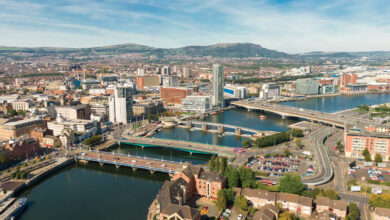
The LirIC Interconnector and Northern Ireland’s energy transition
Electricity will be the backbone of our future generations and in order to meet these energy requirements while meeting long term net zero targets, we must do things differently.
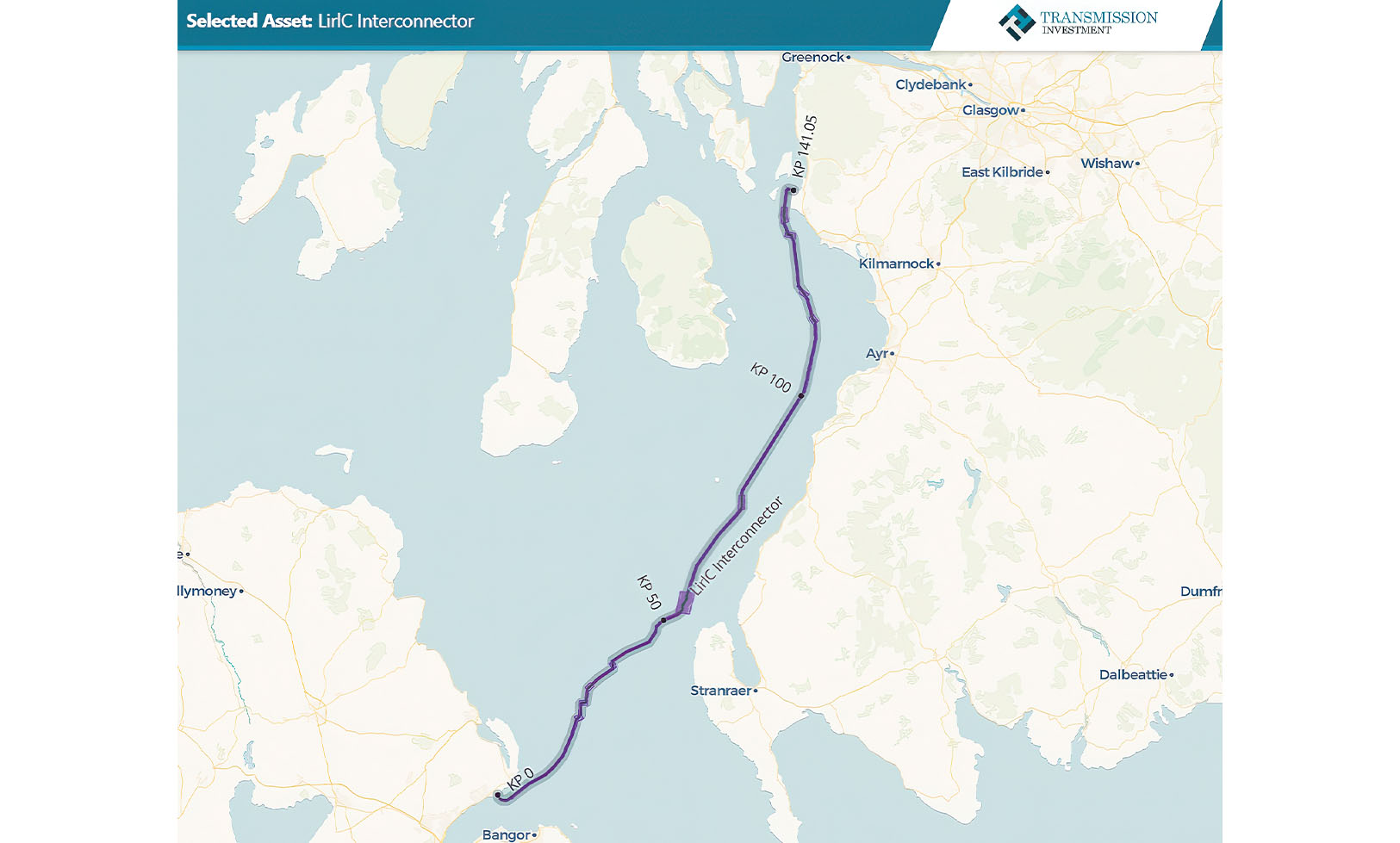
The LirIC Interconnector will be part of the solution. It is a 700MW high voltage direct current (HVDC) electricity interconnector which will connect the electricity grids of Northern Ireland and Britain via a 142-kilometre cable under the sea and planned to be in operation by 2032. Interconnectors, and specifically LirIC, will enable the trade of power to improve security of supply and value for the consumer, facilitate the connection of additional renewable energy projects and in doing so support long-term net zero government policy targets and ambitions.
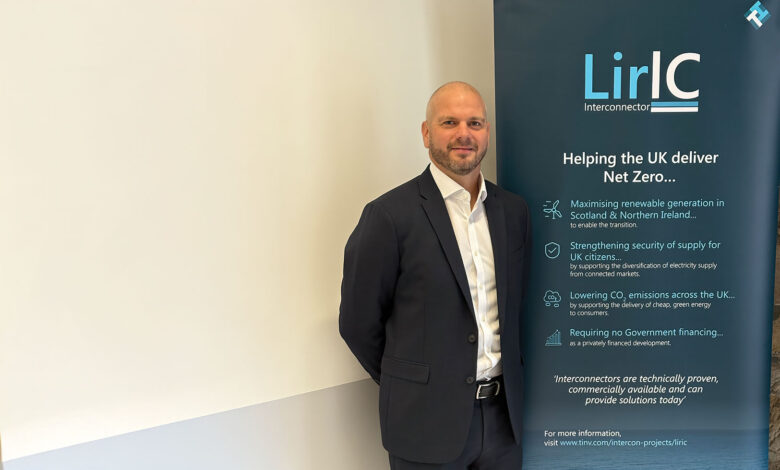
Glen Evertsen, Project Director for LirIC, says: “In recent years the primary focus has been largely concentrated on the gradual unlocking of the huge potential of renewable energy our country – and indeed, the world – holds. For me, it has provided the opportunity to work, live, and visit many different and exciting places – from cities and sites in the UK and Europe, to subsea construction vessels in the North Sea, to earthquake and typhoon resistant high-rise buildings in Taiwan. The rollout of renewable energy is undeniably a global quest.
“The growing message in the global energy sector as a whole, Northern Ireland included, is that ‘there will be no transition without transmission’.
Put simply, the shift to a low carbon economy cannot happen without a seismic shift in progress on integration of renewables onto the electricity grids.
“Electricity interconnectors are an essential, enabling technology, which are technically proven, commercially viable, and ready for deployment today. They enable the efficient utilisation and integration of renewables into the system by providing a route to maximise renewable use through exporting or importing renewable electricity and sharing capacity between regions,” he adds.
Evolution
Evertsen says: “It is also interesting to remember that the interconnection of grids as a concept is nothing new. In 1925 the Government took on the challenge of designing and constructing a ‘national gridiron’. William Weir, a Glaswegian industrialist, was commissioned to design a system which effectively interconnected 122 of the most efficient power stations and by 1938, the national grid became operational.
“The present-day task is to continue this ‘gridiron’ evolution and all over the world interconnectors are being planned and constructed given the recognised opportunity and benefits this brings both business and private consumers. It is somewhat coincidental that the LirIC project brings us back to Glasgow, not far from where the LirIC Project will connect to the national grid, to continue this ambition exactly 100 years later.
“Focusing back on the task in hand, it is clear that the grid needs to continue its evolution in response to the changing way in which electricity is generated and consumed. There is an ever-growing requirement for grid capacity where renewable sources are based, in Scotland or on the north coast of Northern Ireland, with an associated need to be able to efficiently transmit and consume that electricity,” Evertsen continues.
“To do that successfully takes a lot of foresight, planning and co-ordination from Governments, the public and private sector industry. Building an interconnector to join two land masses such as Scotland and Northern Ireland is a hugely complex process, and it will keep us very busy between now and 2032 when the interconnector is planned to be energised.
“Bringing together engineering, consenting and planning, supply chain and procurement, regulatory agreements, funding, amongst others can be a daunting challenge. Doing it in a coordinated, scheduled, sequential manner where each item has the potential to derail the project requires a wide range of stakeholders to work together in a way that some may have never been done before. Fortunately for the project, there has been good recognition of the need and benefits of the project and positive support from the regulators and stakeholders whose support is required to realise this important project.”
Benefits
Interconnectors help to deliver and strengthen security of supply by supporting the diversification of generation being imported and enabling neighbouring countries to support each other when domestic energy supply does not meet demand, lowering systems costs overall.
Northern Ireland currently has one operational interconnector, the Moyle Interconnector, which facilitates the export and import electricity to and from Scotland. A further onshore connection is planned, the ‘North-South’ interconnector, which will enable the connection of Northern Ireland to the Republic of Ireland. The all-Ireland Single Electricity Market (SEM) is also supported by the ‘East-West’ and ‘Greenlink’ Interconnectors between Wales and the Republic of Ireland.
A further interconnector, the Celtic Interconnector, between the Republic of Ireland and France is currently under construction. The need for further interconnection between the SEM and other markets has been recognised in several studies to date, in particular the need for further interconnection to Great Britain.
With the project’s recent acceptance of a grid connection offer from the Northern Ireland Grid System Operator (SONI) and the completion of the first phase of marine seabed surveys, the LirIC project is continuing to gain momentum and is making significant progress. With careful planning, strong leadership and good cooperation from government and regulatory bodies we can collectively bring all of the enhanced security of supply, renewables integration, consumer value and economic benefits to the people and businesses of Northern Ireland and Great Britain.

W: www.tinv.com