All change in Europe
 Rising extremism and high apathy were two key themes in the overall election but the Parliament also has more power than before.
The European Parliament election returned a total of 751 members – a decrease of 15 seats from the previous term. The four largest groups all lost seats with the European People’s Party and Liberals (both federalist) experiencing the most significant drop in support.
Smaller groups in the Parliament frequently dissolve and reform after the elections. Left-wing and right-wing Euro-sceptics will both want to maximise their influence and most of the non-inscrits (MEPs outside groups) are on the extremes of the political spectrum.
The far right includes 24 members of the French Front National, four representatives from the Danish People’s Party, Dutch PVV and Austrian Freedom Party, three each from Hungary’s Jobbik movement and Greece’s Golden Dawn, and a far-right German MEP. The populist Five Star Movement performed well in Italy (17 seats) while the left-wing Syriza movement topped the poll in Greece (six seats).
Success for extremist parties was accompanied by a continued high level of public apathy towards the Parliament. Overall turnout rose marginally from 43 per cent in 2009 to 43.1 per cent in 2014. Turnout last exceeded 50 per cent in 1994.
Ninety per cent of voters turned out in Belgium and Luxembourg due to compulsory voting. The next highest figure was 74.8 per cent in Malta but the lowest was 13 per cent in Slovakia. Thirty-six per cent of UK voters and 51.6 per cent of Irish voters participated in the election.
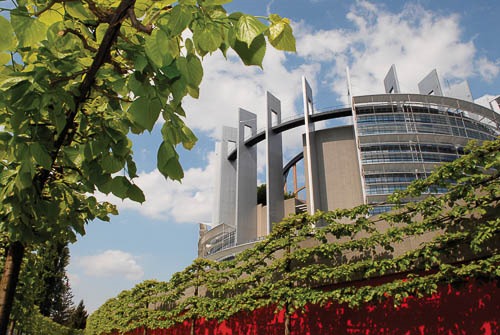
The first meeting of the Parliament will take place in Strasbourg on 1 July. It must then approve the next President of the European Commission – by an absolute majority – after the candidate is nominated by the heads of government. This is an example of the Parliament’s new powers after the Lisbon Treaty; the decision was previously taken by national governments. The Parliament will then hold hearings for each of the other commissioners.
MEPs will hold office until 2019 and the new term will see the EU enter into a period of major flux, with pressure to return powers to member states. Changes in Europe are also being closely watched around the world.
“We’ll watch with great interest as the new parliamentary leadership is established,” a US State Department spokeswoman said. “We’re prepared to work with all political groups and leaders that support fundamental principles of human rights, democracy and [the] rule of law.”
The big picture
| Group | Outgoing | Incoming | Change |
| EPP | 274 | 214 | -60 |
| Socialist | 196 | 191 | -5 |
| Liberal | 83 | 64 | -19 |
| Green | 57 | 52 | -5 |
| ECR | 57 | 46 | -11 |
| EFD | 31 | 38 | +7 |
| GUE/NGL | 35 | 45 | +10 |
| None | 33 | 101 | +68 |
| Total MEP’s | 766 | 751 | -15 |