Powering Northern Ireland’s energy transition
The onset of winter, and with it shorter days and colder temperatures, brings into sharp focus our reliance on a strong and secure electricity system, writes Alan Campbell, Chief Executive of the System Operator for Northern Ireland (SONI).
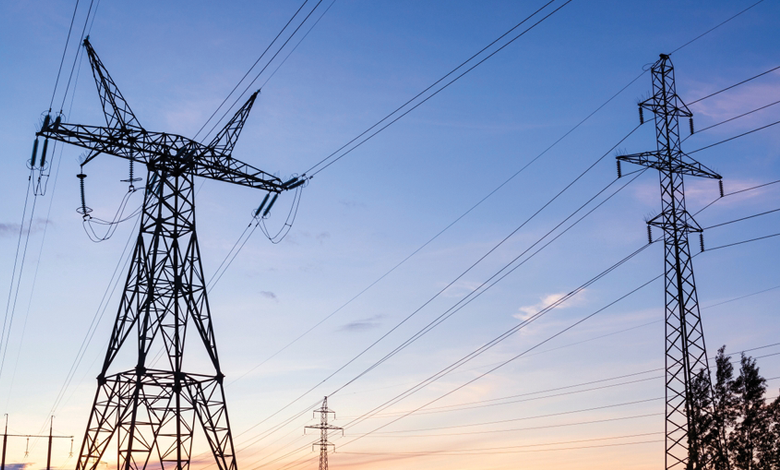
As a key part of that system, we at SONI are responsible for ensuring electricity is transferred safely and securely from where it is generated to where it is needed. We collaborate with key stakeholders to ensure uninterrupted supply on a second-by-second basis, 365 days a year.
Northern Ireland’s power system was among the first in the world to operate with 75 per cent renewable energy at any one moment in time. That achievement was not accidental but was built on detailed collaboration across the whole energy system and demonstrates what can be accomplished when industry, government, and regulatory partners work together with shared purpose.
A complex system
Northern Ireland’s transmission system is far more complex than many realize. Every second of every day, our control room teams are balancing supply and demand across the grid, managing the flow of electricity from multiple generation sources, conventional power stations, wind farms, solar installations, and ensuring that voltage and frequency remain within precise parameters so everyone across Northern Ireland has access to electricity when they need it.
This real-time choreography requires constant monitoring, rapid decision-making, and coordination with sector partners. The integration of renewable energy adds layers of complexity to this already demanding task. Unlike conventional generation, renewable sources are variable by nature; the wind does not always blow, the sun does not always shine.
Our operational teams must regularly forecast renewable generation output, manage system inertia, and ensure sufficient reserve capacity to maintain stability. Through initiatives like our Low Carbon Inertia Services procurement and the implementation of advanced operational tools, we are developing new capabilities to manage a power system that will increasingly be supplied by renewable sources while maintaining the same high standards of security and reliability that consumers expect.
Planning ahead
While our operational responsibilities keep the lights on today, our planning role is equally critical for ensuring Northern Ireland’s energy security tomorrow. The scale of transformation ahead is unprecedented. We are targeting 80 per cent of electricity from renewable sources by 2030, just five years away, and net zero emissions across the sector by 2050.
To put this in perspective, electricity demand in Northern Ireland is anticipated to potentially double or even triple by 2050, driven by population growth, economic expansion, and crucially, the electrification of transport and heating. This is not simply a matter of adding more renewable generation to the existing grid.
The transmission system itself must be fundamentally transformed to accommodate this new reality. Through our Transmission Development Plan, we have identified essential infrastructure upgrades, projects like the North-South Interconnector, the Mid Antrim Upgrade, and Connect West, that will strengthen the network, improve reliability, and enable the integration of significantly more renewable energy.
These are not optional enhancements; they are critical enablers of Northern Ireland’s decarbonisation ambitions.

Connections and growing demand
One of our most pressing challenges is managing the unprecedented number of connection requests from renewable energy developers. Increasing numbers of businesses and developers want to connect new sources of renewable technology to the grid, wind farms, solar installations, battery storage facilities, and emerging technologies.
Each connection must be carefully assessed, planned, and implemented to ensure it does not compromise system stability while being delivered in a strategic, coordinated, and cost-effective manner. Simultaneously, we are seeing growing connection demands from consumers and businesses seeking to electrify their operations.
The transition to electric vehicles alone will significantly increase electricity demand, while businesses across Northern Ireland are increasingly seeking clarity on how they can align with net zero commitments. This dual pressure, more generation wanting to connect and more demand wanting to be served, requires sophisticated forecasting, strategic planning, and a fundamental shift in how we approach grid development.
We have recognised the urgent need for change in our processes. We are developing an action plan for change that outlines proposals to significantly reduce grid development timescales and move toward a plan-led approach. Rather than being reactive, we are working with the Utility Regulator and sector partners to implement a more strategic, forward-looking methodology that will deliver more efficient outcomes for consumers and industry alike.
A whole system approach
Meeting Northern Ireland’s renewable energy ambitions cannot be achieved by focusing solely on electricity in isolation. Our future work requires continued close collaboration with industry partners including the Utility Regulator, NIE Networks and Mutual Energy, to ensure alignment of investments across both electricity and gas systems.
This whole system approach is essential for developing integrated solutions that optimize outcomes across the entire energy landscape. Through our work on Tomorrow’s Energy Scenarios, we are mapping potential pathways for Northern Ireland’s clean energy transition from 2030 to 2050, examining what different scenarios mean for the transmission system and providing key insights to support longer-term planning.
This work, alongside our Shaping Our Electricity Future roadmap, provides a comprehensive framework for the transformation ahead, covering not just networks but also operations, markets, and the essential engagement needed to carry society with us on this journey. The role of data and expertise underpinning all our work is robust, data-driven evidence.
As Northern Ireland’s electricity Transmission System Operator, we occupy a unique position within the energy sector. Our knowledge, experience, and technical expertise position us to be a trusted adviser to government, industry, and regulatory partners. We are committed to enhancing our data offer, ensuring the information and evidence we provide is not only reliable and robust but also accessible to all stakeholders who need it to make informed decisions.
This advisory role extends to supporting the development of key enabling policies in areas such as system flexibility, strategic spatial planning for the transmission system, smart systems, interconnection, and emerging technologies like hydrogen. By providing evidence-based guidance and, where appropriate, challenging the status quo, we aim to support decision-makers in developing the policies that will enable Northern Ireland’s energy transition.
Collaboration is key
Achieving this transition cannot be done in isolation. Our Strategy 2025-2031, developed following extensive engagement with employees, partners across government and industry, and broader society, makes clear that collaboration and partnership working are fundamental to success. We must build deep, constructive, and transparent working relationships with all sector partners, understanding their goals and working collectively toward shared ambitions.
We are committed to delivering a cleaner, more secure and affordable energy future for consumers in Northern Ireland.
Our new strategy places consumers and local communities at the heart of what we do. We have published an enhanced Public Engagement Model and Landowner Charter, and we are pioneering engagement initiatives that enable local communities to co-develop our plans for the grid.
The journey to net zero is complex, challenging, and urgent. But, with the right collaboration, investment, and shared commitment across the whole energy system, coupled with a whole society effort, it is a journey we can make successfully, keeping the lights on today while building the cleaner, affordable and more secure energy system of tomorrow.