The case for ‘joint first ministers’
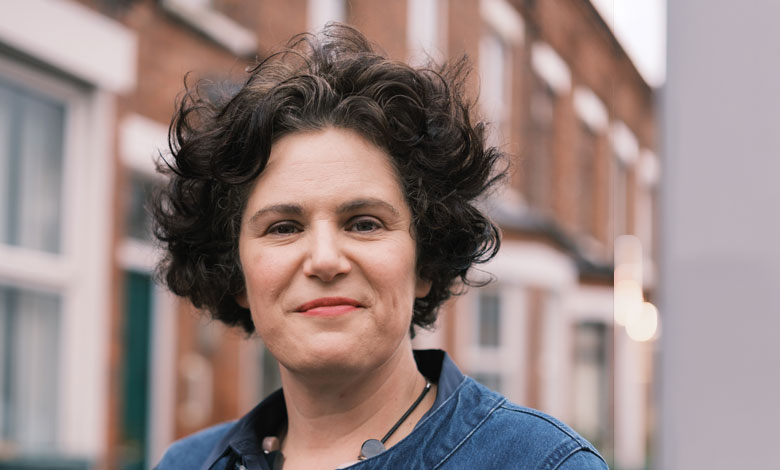
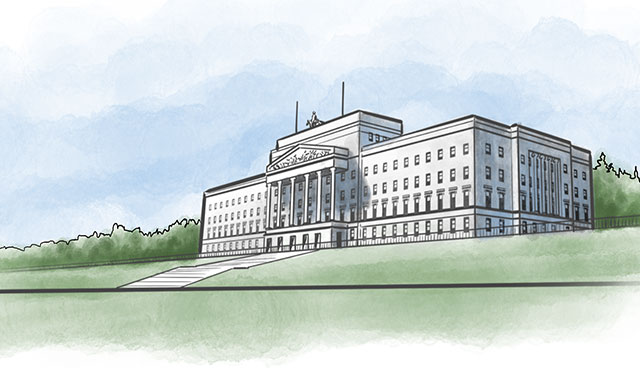
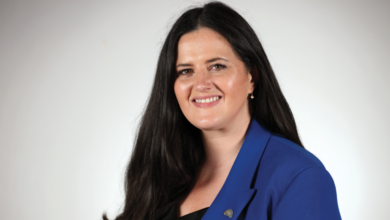
Politics in Northern Ireland can sometimes feel stuck in old arguments about symbols, titles, and one-upmanship. That is why the vote in the Assembly in support of equalising the titles of First Minister and deputy First Minister matters more than it might first appear, writes SDLP Leader Claire Hanna MP.
At its heart, the SDLP proposal simply recognises something that has always been true: the First Minister and deputy First Minister hold a joint office. They have identical powers, govern together, and neither can act without the other.
That equality was built into the Good Friday Agreement from the beginning. Power-sharing here was deliberately designed around partnership rather than hierarchy.
For years, many people across politics have quietly acknowledged that the distinction between the titles is artificial. But politics in Northern Ireland has often been reluctant to let go of symbols that appear to signal victory or status.
This vote suggests there may now be a willingness to move beyond that. It is the second motion of its kind brought forward by the SDLP in recent times.
Of course, as with most debates here, some of the reaction has slipped back into familiar territory. There have been claims that recognising the joint nature of the roles somehow undermines nationalism or diminishes the significance of the 2022 election result.
The election of a nationalist First Minister for the first time was a genuinely significant moment in the history of this place, and meaningful for many people. But politics should not be about moments, it has to be about building a better future. Any reform proposals would take effect after the next election, five years after Michelle O’Neill MLA rightfully won the 2022 poll.
Some critics have argued that simply changing the name will not achieve anything. The SDLP is not proposing this in isolation, but rather a package of reforms to improve the effectiveness and the culture of Stormont, including its tendency of making every election a contest between communities.
Pointing that out is not sour grapes. It is about ensuring that those who are privileged to hold a mandate actually use it to govern.
For the SDLP, this conversation is about more than titles. It is about the kind of society we want to build.
We believe the future of this island lies in a new, agreed Ireland; one shaped not by victory and triumphalism, but by persuasion, partnership, and consent.
But to build that future we must first build a better Northern Ireland today; one that delivers in the here and now.
This is not a radical proposal. Martin McGuinness himself supported equalising the titles during his time in office, his party for over a decade used the title ‘Joint First Minister’ and said that failing to equalise the names in 1998 was a mistake. Others across the political spectrum have recognised the logic of it over the years. If it was the right thing to do then, why not now?
Northern Ireland is changing. Our society is more diverse, more confident, and less interested in the political theatre of symbolic wins and losses. It is made up of many identities beyond nationalism and unionism.
People want politics that works and which is mature enough to move beyond the old narratives of dominance and defeat. They want a government that focuses on the real issues affecting their lives and reflects the kind of society they want to live in, not one long tribal arm wrestle.
The SDLP welcomed the support of the Ulster Unionist Party and Alliance Party in this vote, which secured a majority. This change is now the expressed will of the Assembly, even if Sinn Féin and the DUP want to maintain the status quo.
Reforming our institutions is not just the right thing to do. It is key to taking the ‘top dog’ dynamic out of politics here; a dynamic that people were subjected to in decades past and which seeks to create winners and losers, rather than the space to get things done.